Sergio Armaroli











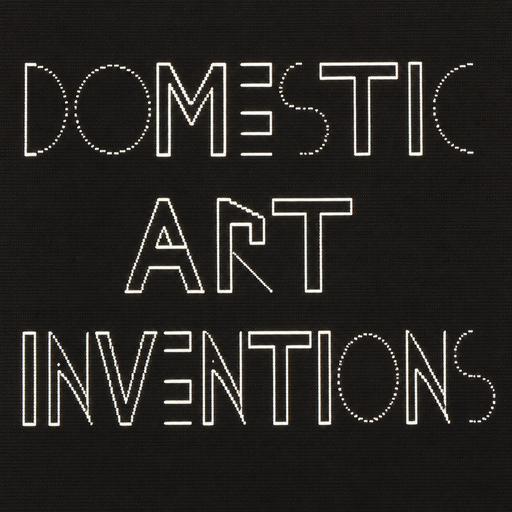
Domestic Art Inventions (DAI)
«Arte creata per se stessi, estemporanea, effimera, oltre la sfera del giudizio altrui».
Pietro Grossi
Le Domestic Art Inventions (DAI) nascono esplicitamente dall'esperienza della HomeArt di Pietro Grossi, ma ne costituiscono un ampliamento significativo. Se per Grossi la rivoluzione consisteva nel trasferire la produzione artistica nello spazio domestico attraverso il computer personale, facendo dell'abitazione il luogo privilegiato di una creatività privata, effimera e libera dal giudizio, le Domestic Art Inventions estendono questa intuizione all'intero ambiente della vita quotidiana.
Il principio fondamentale rimane quello formulato da Grossi: un'arte «creata da e per se stessi, estemporanea, effimera, oltre la sfera del giudizio altrui». L'opera non è più concepita come oggetto da conservare o da esporre, ma come esperienza temporanea, continuamente modificabile, nella quale il processo creativo coincide con il piacere stesso del fare. Il valore dell'arte si sposta dalla produzione di un manufatto alla costruzione di una condizione di esperienza.
Le Domestic Art Inventions condividono questa prospettiva, ma ne modificano il baricentro. Se nella HomeArt il computer rappresenta il principale strumento di emancipazione creativa, nelle DAI è la casa stessa a diventare dispositivo operativo. Lo spazio domestico si trasforma in un laboratorio permanente di invenzione, dove oggetti comuni, gesti quotidiani, suoni, luce, materiali e relazioni vengono continuamente riconfigurati attraverso interventi site-specific. L'ambiente non costituisce più il semplice contenitore dell'opera, ma coincide con il suo stesso campo d'azione.
In questa prospettiva, l'idea di Opera-re sostituisce quella tradizionale di opera. L'arte diventa un'attività, un modo di abitare e di pensare lo spazio, fino a far coincidere, come nel progetto delle DAI, l'Opera-re con il vive-re. La pratica artistica non interrompe la vita quotidiana, ma emerge dal suo stesso svolgersi, dissolvendo la distinzione tra produzione estetica ed esperienza dell'abitare.
Le DAI sviluppano inoltre un aspetto solo implicito nella riflessione di Grossi: la dimensione ecologica e fenomenologica dell'ambiente domestico. La casa non è soltanto il luogo della privacy artistica, ma un organismo vivente, continuamente ridefinito attraverso micro-azioni, spostamenti, accumuli, sottrazioni e invenzioni effimere. Ogni intervento modifica temporaneamente la percezione dello spazio e del tempo, trasformando il quotidiano in occasione di ricerca estetica.
In questo senso, le Domestic Art Inventions possono essere lette come una prosecuzione contemporanea della HomeArt. Esse mantengono intatti i principi di autonomia, provvisorietà, libertà dal giudizio e centralità del processo formulati da Pietro Grossi, ma li estendono oltre il rapporto uomo-computer verso una concezione più ampia dell'abitare come pratica artistica. Se per Grossi il computer liberava dalla dipendenza dal genio altrui valorizzando la creatività individuale, nelle DAI è l'intero ambiente domestico a diventare il luogo in cui immaginazione, gesto e vita quotidiana si fondono in un'unica pratica di invenzione permanente.
DAI I refer to a practice that originated with Pietro Grossi's Home Art and expanded with site-specific domestic interventions where the Opera-re (Art-working) merges with the vive-re (living).
Domestic Art Inventions and Pietro Grossi's HomeArt
Domestic Art Inventions (DAI) explicitly originate from Pietro Grossi's concept of HomeArt, while at the same time extending it in a significant way. If Grossi's radical proposal consisted in relocating artistic production into the domestic sphere through the personal computer—making the home the privileged site of a private, ephemeral form of creativity, independent of public judgment—Domestic Art Inventions broaden this intuition by transforming the entire domestic environment into a field of artistic action.
Grossi's central principle remains fundamental: an art "created by and for oneself, extemporaneous, ephemeral, beyond the sphere of others' judgment." The artwork is no longer conceived as a permanent object to be preserved or exhibited, but as a temporary experience, continuously open to variation, in which the creative process itself becomes the work. Artistic value shifts from the production of an object to the construction of an experiential condition.
Domestic Art Inventions share this perspective while displacing its center of gravity. In HomeArt, the computer functions as the primary instrument of creative emancipation, enabling anyone to generate sound, images, colors, and forms within the privacy of the home. In DAI, by contrast, technology loses its central role and is replaced by dwelling itself as an aesthetic practice. The home becomes an active laboratory of invention, where everyday objects, gestures, sounds, light, materials, and spatial relationships are continuously reconfigured through site-specific interventions. The domestic environment is no longer merely the location of artistic production; it becomes the artwork's operative medium.
Within this framework, the notion of Opera-re (art-working) replaces the traditional concept of the artwork as a finished object. Art becomes an ongoing activity—a way of inhabiting, perceiving, and transforming space—until, as proposed in DAI, Opera-re merges with vive-re (living). Artistic practice no longer interrupts everyday life but emerges from within it, dissolving the distinction between aesthetic production and the lived experience of dwelling.
DAI also develops an aspect that remains only implicit in Grossi's writings: the ecological and phenomenological dimension of domestic space. The home is not simply the site of artistic privacy but a living organism, continuously reshaped through micro-actions, rearrangements, temporary installations, accumulations, subtractions, and ephemeral inventions. Each intervention subtly alters the perception of space and time, transforming everyday life into an occasion for aesthetic inquiry.
In this sense, Domestic Art Inventions can be understood as a contemporary continuation of HomeArt while simultaneously marking a decisive conceptual shift. They preserve Grossi's principles of autonomy, ephemerality, freedom from external judgment, and the primacy of process, yet they move beyond his technological paradigm toward a broader understanding of inhabiting as an artistic practice. If, for Grossi, the personal computer democratized creativity by liberating artistic production from institutional mediation, DAI proposes that creativity can emerge directly from the lived environment itself. The domestic space becomes both medium and method, where imagination, gesture, and everyday life converge in a continuous practice of invention. In this transition, technology no longer constitutes the essential condition for artistic creation; rather, the act of dwelling itself becomes the primary aesthetic and creative device, extending Grossi's vision beyond digital experimentation toward an embodied, environmental, and existential form of artistic practice.

AI-Generated Image
SITOGRAFIA


HOMEART
ARTE CREATA DA E PER SE STESSI ESTEMPORANEA
EFFIMERA
OLTRE LA SFERA DEL GIUDIZIO ALTRUI
""Io non offro un’opera d’arte, offro un modo di operare, suggerisco un modo di lavorare".
Pietro Grossi
Discography
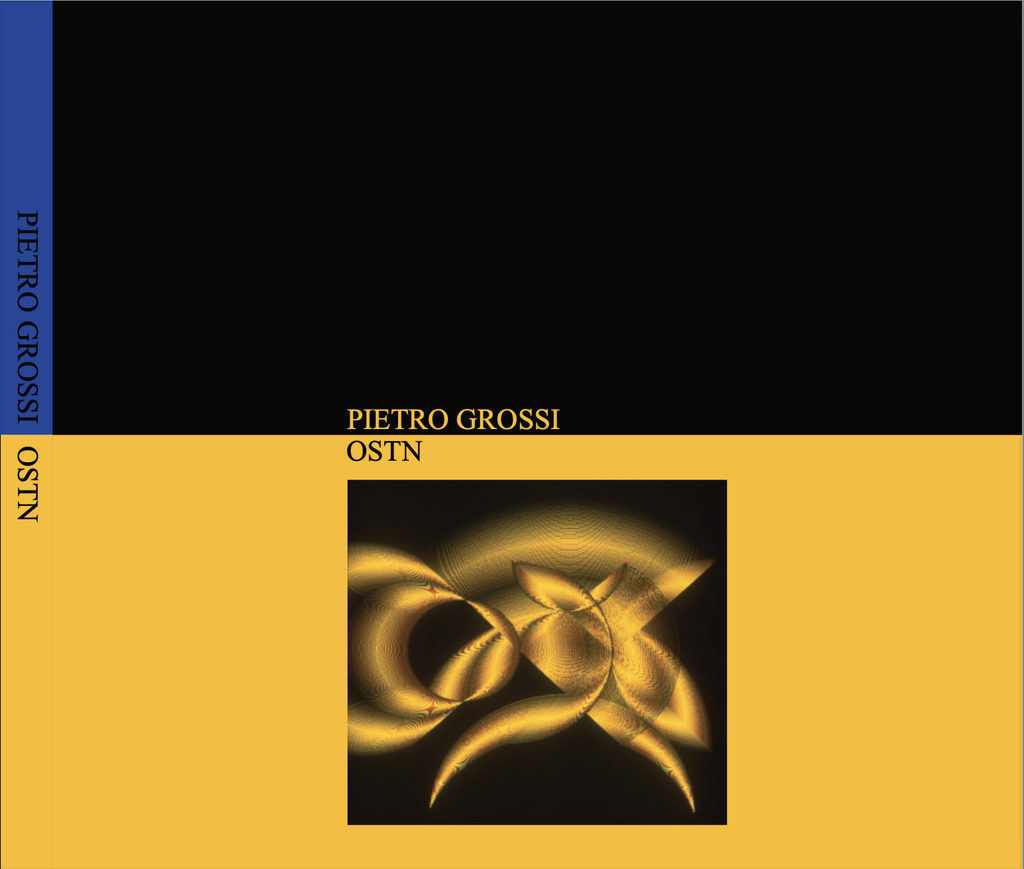
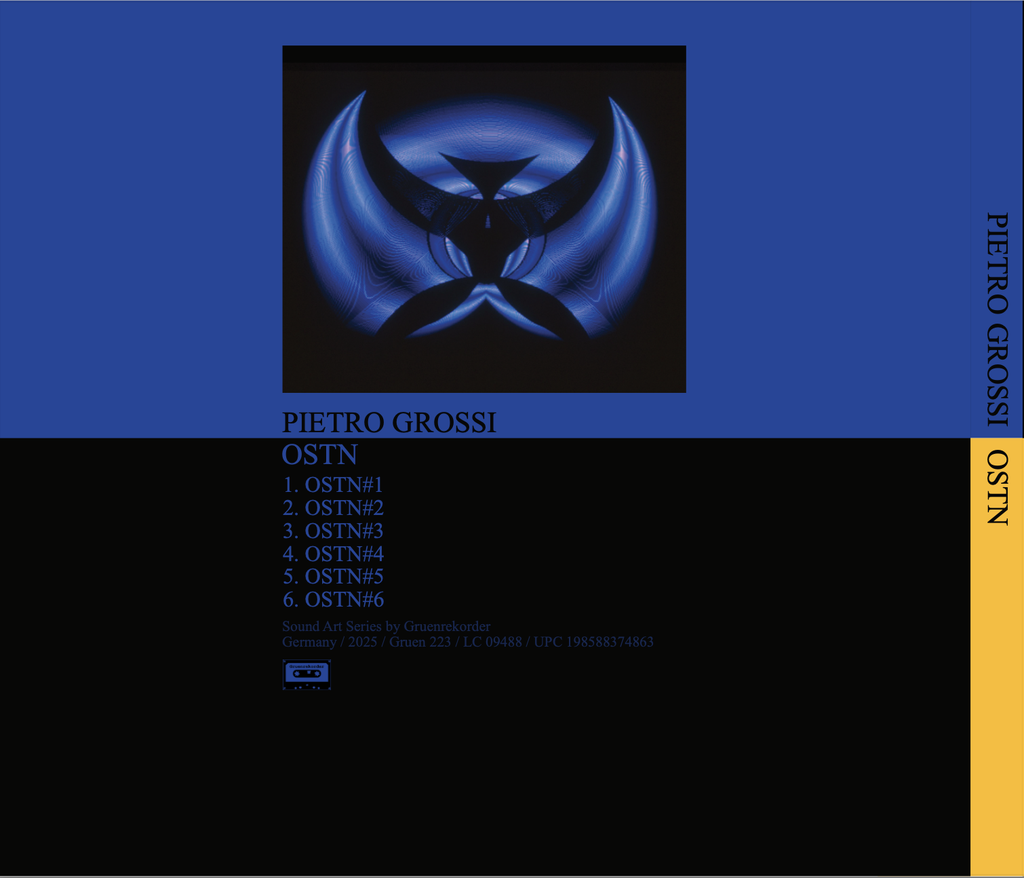


È stato recentemente pubblicato:
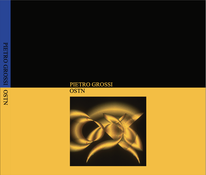
PIETRO GROSSI OSTN (Sergio Armaroli)
Gruenrekorder Germany /2025/ Gruen 223
Da Se la musica è senza musicisti, Mario Gamba, Alias, il manifesto, 26 aprile 2025
“…Ha ripreso idee e suggestioni sonore di Pietro Grossi uno sperimentatore odierno ben noto e instancabile, Sergio Armaroli. Vibrafonista, percussionista, compositore, improvvisatore, artista
visivo, docente, performer, animatore a Milano di una vera e propria factory. Pubblica ora un album intitolato Pietro Grossi OSTN (Gruenrekorder) in cui con vibrafono e nastro magnetico
interpreta sei Ostinati di Pietro Grossi. Li interpreta e li fa propri. […] Sono sei pezzi incantevoli e incantatori…”